



Diamond shapes
DITANI
DISCOVER THE COMPLETE GUIDE TO DIAMOND SHAPES
Get to know the characteristics of each shape, its play of light and sense of style.
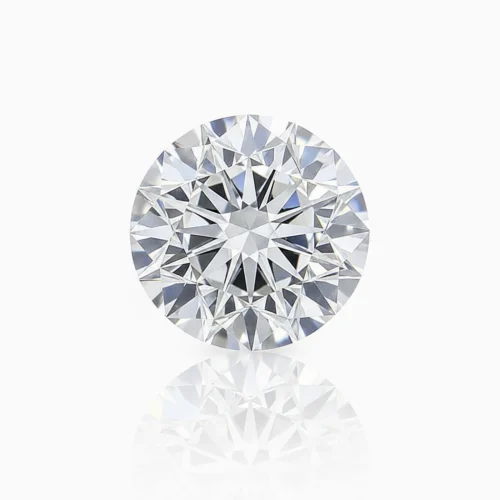
Round
The round cut is the most popular and classic diamond shape, with 58 facets for maximum sparkle and fire. Its timeless design suits a variety of styles and occasions. Round brilliants are the most popular and easily recognizable of all diamond shapes. They are the most brilliant of all shapes because of their intricate faceting and symmetrical shape.
Cut:
The round brilliant easily has the most sparkle and fire of ALL other shapes! The desirable aesthetic of round brilliants, along with the fact that they require the most time and quantity of rough diamonds to produce, are a few reasons why round brilliants are also the most expensive of all diamond shapes. Additionally, the faceting of round brilliants helps to mask imperfections and increases the visibility of color (in a good way). There is no doubt that if you love the “sparkle” effect, the round brilliant is for you. Round brilliants are the most common shape for both jewelry and engagement rings. The versatility and brilliance of these diamonds make them suitable for any event!
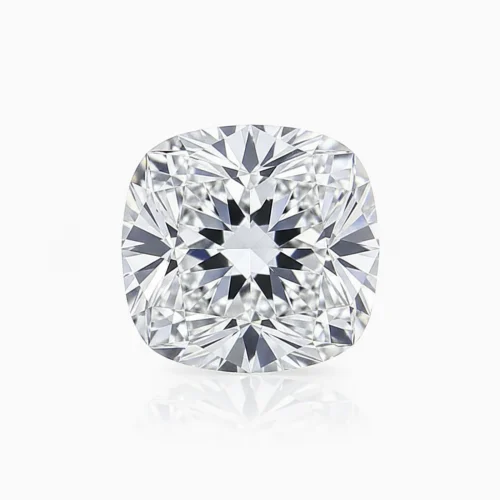
Cushion
The cushion cut diamond features rounded corners and large facets for a soft, romantic look. It balances brilliance and clarity and is suitable for both vintage and modern styles. Cushion cut diamonds offer a softer visual appearance with a square and rectangular shape and rounded corners.
Cut:
There are several variations of the actual cushion cut. The most common cushion cut diamonds are called Cushion Modified. They display what we call “crushed ice” where there are many small flashes of light that radiate brilliance. There are true cushion diamonds, which are rare and radiate bright flashes of light with 8 main pavilion facets. The next type is the Cushion Hybrid, which has a clean, clear facet and bright sparkle with a larger than average face up size. Note that diamonds listed as “cushion modified” in the GIA report can also display the beauty and optical properties of a cushion diamond if the pavilion facets are properly aligned.
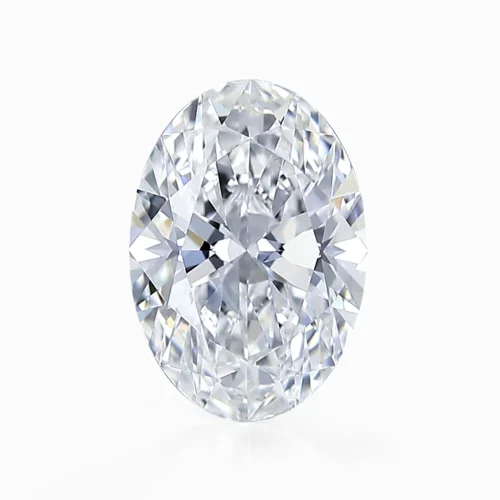
Oval
The oval diamond is elongated with a soft, feminine look. Like the round diamond, it has a brilliant shine.
Cut:
Diamonds are basically an elliptical adaptation of the round brilliant. Prices for oval diamonds are relatively high due to limited supply. Cut: Oval diamonds are brilliant cut, giving a beautiful shine. Oval diamonds usually appear larger in size than a round diamond of the same carat weight. This shape helps to elongate the finger and gives a very graceful look to the hand.
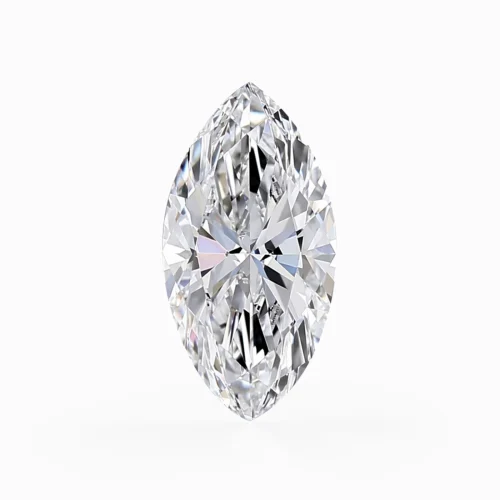
Marquise
The marquise cut diamond is a regal and sophisticated shape, with a long, slender profile that gracefully tapers at both ends. Its timeless elegance maximizes carat weight for dazzling brilliance. Marquise cut diamonds can be described as oval with pointed ends. The marquise shape is popular for its slender, graceful appearance, accentuated by its pointed tips.
Cut:
This long and thin look helps to elongate the wearer's fingers, much like an oval diamond. These diamonds also appear larger than their actual carat weight, making them a great option for those looking for a distinctive alternative to the more common round and oval diamonds.
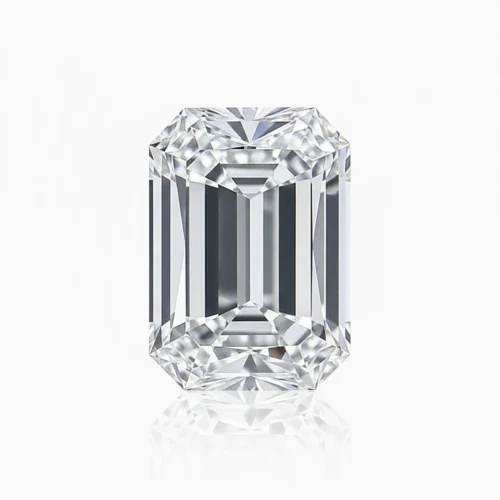
Emerald
The emerald cut diamond is refined with clean, straight lines and fewer facets. It emphasizes the diamond's transparency and creates a hall of mirrors effect. The emerald cut is considered one of the most classic rectangular diamond shapes.
Cutout:
Emerald cuts are step cuts, meaning that their facets are parallel. They have an open surface that allows you to see clearly into the diamond. For these reasons, emerald diamonds lack the fire and sparkle of other shapes. However, the elongated shape allows for greater sparkle when rays of light reflect through them. Some believe that because these diamonds have fewer facets than other fancy shapes, they lack sparkle. This is not the case - when a well-cut emerald catches the light, it will offer a beautiful sparkle of light.
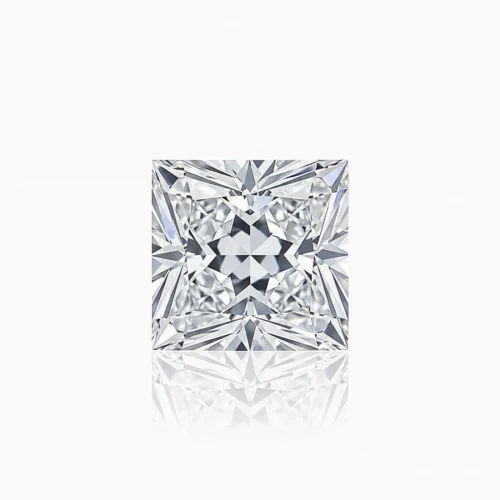
Princess
The princess cut diamond is a modern and versatile shape with clean, square lines and maximum brilliance. It is a popular choice for both contemporary and traditional settings.
Cut:
Princess cuts are typically square with sharp corners. High degree of brilliance due to the brilliant-style crown, often rivaling round diamonds, while using less rough diamond material (higher yield than the original crystal). More affordable price per carat than round brilliants due to efficient cutting. Versatile for engagement rings, earrings and pendants.
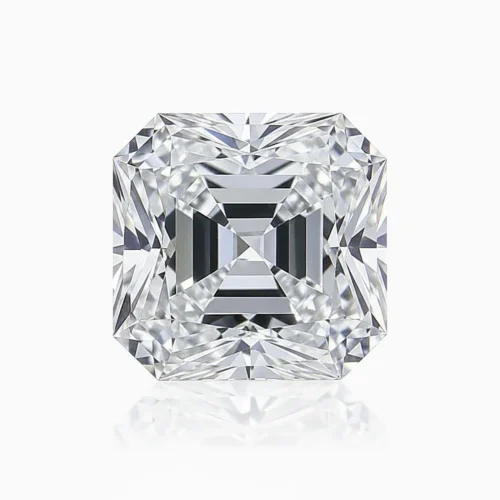
Asscher
The diamonds were developed in the early 20th century and are named after their creators, the Asscher brothers.
Cut:
Diamond grading labs also call this diamond a square emerald. The overall step facet and shape are similar to the emerald cut, but have noticeably beveled corners that make it resemble an octagon. It emphasizes clarity and light return through wide, brilliant step facets, creating a hypnotic optical illusion of an “endless corridor.” The additional step facets create more sparkle and fire than its emerald cut counterpart.
Pear
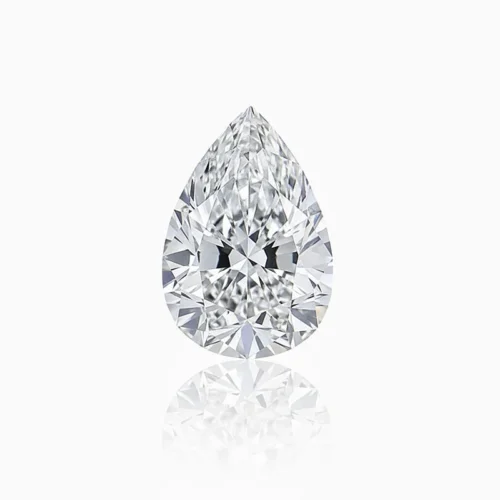
Diamonds, also called teardrops, can be described as a hybrid between an oval and a marquise shape.
Cut:
Pear diamonds are brilliantly cut, giving a bright sparkle similar to the oval and marquise shapes. It is important to note that the actual shape or contour of each pear diamond is extremely specific. No two pear shapes are the same, even if they weigh the same. Exceptional fire and sparkle, especially at the rounded end, the reflection of light is concentrated towards the tip, creating a sophisticated silhouette on the finger. Elongates the finger and appears larger face up than round diamonds of the same carat weight. Versatile orientation – point up (traditional) or point down (modern V-set); stunning in pendants and earrings.
Heart
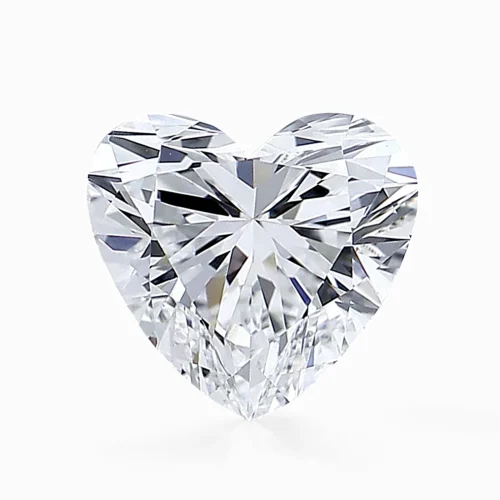
The heart cut (modified brilliant cut diamond) is considered the most romantic of all shapes for obvious reasons. This luxurious diamond is actually pear-shaped with a slit at the top.
Cut:
Cut: Heart-shaped diamonds have a brilliant cut and a beautiful shine. These diamonds are naturally heavily shaped and must be cut with extreme precision to ensure maximum brilliance. It appears larger face up than other shapes of the same carat weight due to the wide plate and curved contour.
Baguette
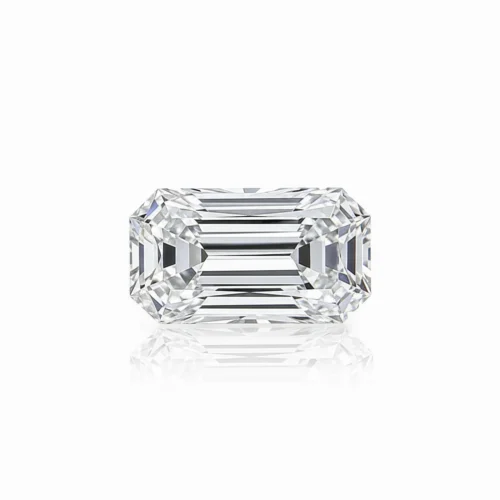
Baguette diamonds are elegant, elongated rectangles with a crystalline minimalism – stepped shapes that value geometric form and purity over fiery brilliance. Named after the French loaf (“little stick”), this narrow, linear shape emerged in the 1920s Art Deco style as a contrast to brilliant round diamonds, often set in precise rows or as tapered side stones. An efficient use of rough diamond material – higher yield than round, often more affordable per carat. Lengthening the finger or setting, tapered baguettes add grace to three-stone designs.
Radiant
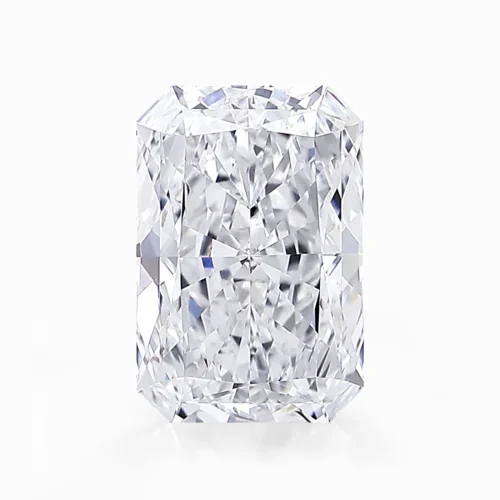
Radiant cut diamonds are a bold, square to rectangular brilliant cut that combines the silhouette of an emerald with the fire of a round shape – designed for maximum sparkle in a modern contour with cut corners. Patented in 1977 by master cutter Henry Grossbard, this hybrid shape was the first to apply brilliant faceting to a rectangular shape, creating a stone that glows like liquid light. Explosive fire and brilliance – rivals round brilliants while maintaining greater mass and an open face-up appearance.
 Rings with gemstones
 Pendants
 Rings
Rings Bracelets
 Crosses
 Earrings
 Engagement rings
 Anniversary rings
 Anniversary rings with precious stones
 Eternity rings
 Curved rings
 Stackable rings
 Collection Flora Elegance
 Collection Virtuosa
